
Why Personal Condo Insurance Matters for Every Condo Owner
A burst pipe, a kitchen fire, or a stolen laptop can turn condo ownership from comfortable to stressful in a single afternoon. Many condo owners assume the building’s master insurance policy will step in and cover the damage. Sometimes it will, but often only up to the walls, hallways, roof, and shared spaces.
That gap is where personal condo insurance comes in. It helps protect what the condo association’s policy usually does not: personal belongings, interior upgrades, liability, and extra living costs if the unit becomes unsafe to live in.
This article is for general information only. Insurance needs vary by policy, state, lender, and condo association rules.
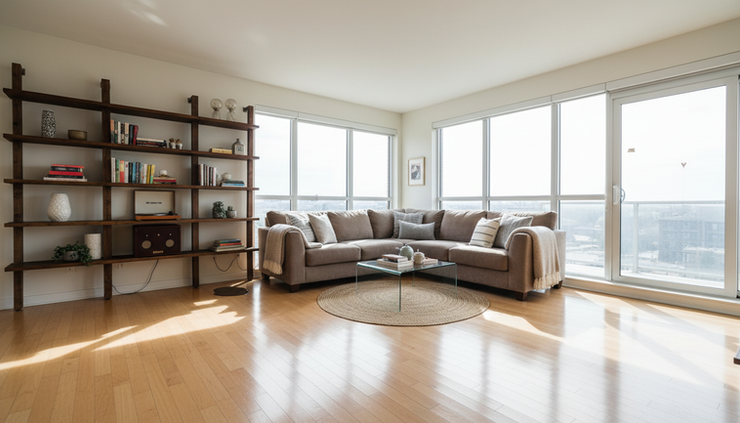
What personal condo insurance usually covers
Condo insurance is often called an HO-6 policy. It fills the space between the condo association’s master policy and the owner’s personal responsibility.
Most policies include several key types of protection.
Personal property
This covers belongings inside the unit, such as:
Furniture
Clothing
Electronics
Kitchenware
Small appliances
Decor
Sports equipment
For example, if smoke from a small cooking fire damages the sofa, curtains, and clothing in a closet, personal property coverage may help pay to repair or replace those items.
Some categories, such as jewelry, collectibles, fine art, and high-end electronics, may have limits. Owners with expensive items may need extra coverage, often called a rider, endorsement, or scheduled personal property coverage.
Interior parts of the condo
Depending on the master policy, the condo owner may be responsible for anything inside the unit. That can include flooring, cabinets, countertops, built-in shelves, bathroom fixtures, and improvements made after purchase.
A real-life example makes this clearer. Say a dishwasher supply line fails while the owner is away for the weekend. Water damages hardwood flooring and custom lower cabinets. The association’s policy may cover structural areas or shared damage, but the owner’s policy may be needed for the unit’s interior finishes.
Personal liability
Liability coverage can help if someone is injured in the condo or if the owner accidentally causes damage to someone else’s property.
Picture a guest slipping on a wet kitchen floor during a dinner. Medical costs and legal expenses can add up fast. Liability coverage may help pay covered claims, up to the policy limit.
It can also matter outside the unit. If a bathtub overflows and water seeps into the condo below, liability coverage may help with the neighbor’s damage if the owner is found responsible.
Loss of use
If a covered event makes the condo unlivable, loss of use coverage can help pay for temporary housing and related extra costs.
After a kitchen fire, a condo owner may need to stay in a hotel for several weeks while repairs happen. Mortgage payments and association fees do not stop during repairs, so help with temporary living costs can be a major relief.

Why the association’s master policy is not enough
A condo association’s master policy protects the building and shared property. That may include the roof, exterior walls, elevators, lobby, hallways, gym, pool, and other common areas.
The tricky part is what happens inside the unit. Master policies vary. Some are “bare walls-in,” meaning they cover little beyond the structure. Others may cover original fixtures but not upgrades. Some cover more, but still exclude personal belongings and personal liability.
That means a newly renovated condo could be underprotected if the owner only relies on the association policy.
For example, imagine two units in the same building suffer smoke damage from a fire in a shared hallway. One owner has standard builder-grade flooring. Another installed upgraded tile, custom closets, and quartz countertops. The master policy might not fully cover those upgrades. The owner’s condo policy may be the difference between a partial repair and a full recovery.
There is also the issue of deductibles. If the association files a claim, the master policy deductible can be large. In some cases, the association may assess part of that deductible to unit owners. Loss assessment coverage, often available through a personal condo policy, may help with certain shared costs.
Common misconceptions about condo insurance
Misunderstandings often lead owners to buy too little coverage, or skip coverage altogether.
The building’s policy covers everything
It usually does not. The master policy often protects shared areas and the building structure, not personal belongings or many interior features.
Renters insurance is the same thing
Renters insurance covers a tenant’s belongings and liability, but it does not cover owned interior improvements in a condo unit. Condo owners need coverage designed for ownership responsibilities.
A small condo does not need much protection
Size does not tell the whole story. A studio with expensive electronics, custom cabinets, and high-end flooring can carry more risk than a larger unit with basic finishes.
Insurance is only for disasters
The big events matter, but smaller claims are common too. Water damage from plumbing, theft after a break-in, smoke damage, and accidental guest injuries can all create costly problems.
What affects condo insurance premiums
Premiums vary because insurers look at both the unit and the owner’s coverage choices.
Common factors include:
Location and local risks, such as storms, wildfire, theft, or water damage
Building age, materials, and safety features
Unit size and interior finishes
Coverage limits for property, liability, and loss of use
Deductible amount
Claims history
Credit-based insurance score, where allowed by state law
Security systems, smoke detectors, sprinklers, and monitored alarms
Proximity to fire services
Whether the unit is a primary home, second home, or rental property
Choosing a higher deductible may lower the premium, but it also means paying more out of pocket during a claim. Lower coverage limits may reduce cost too, but they can leave a painful gap after a major loss.
The goal is not always the cheapest policy. The better goal is enough protection at a price that fits the budget.
How to choose the right policy
Start with the condo association documents. The master policy and bylaws explain what the association covers and what falls to the unit owner.
Next, make a basic home inventory. Walk through each room and list major belongings. Take photos or a short video. Save receipts for expensive items when possible. This makes it easier to choose limits and file a claim later.
When comparing policies, pay close attention to:
Replacement cost coverage
This pays based on the cost to replace covered items with new ones, subject to policy terms. Actual cash value coverage subtracts depreciation, which can lead to a smaller payout.
Interior coverage limits
Match this to the cost of flooring, cabinets, fixtures, and upgrades. Owners who renovated should review limits after each project.
Liability limits
Many owners choose higher liability limits for added protection. An umbrella policy may also be worth asking about.
Loss assessment coverage
This can help if the association charges owners for certain covered losses or master policy deductibles.
Water damage details
Water claims are common in multi-unit buildings. Ask how the policy handles appliance leaks, plumbing backups, sewer backup, and water entering from outside. These are not always treated the same way.

A small policy can prevent a large financial setback
Condo ownership comes with shared walls, shared systems, and shared responsibility. That can make insurance confusing, but the basic idea is simple: the association protects the building, while the owner needs protection for personal property, interior spaces, liability, and temporary living costs.
The right policy can turn a stressful loss into a manageable repair process. Review the master policy, understand the gaps, choose limits that reflect the real value of the unit and belongings, and revisit coverage after renovations or major purchases.
A condo may be part of a larger building, but the financial risk inside the front door belongs to the owner. Personal coverage helps make sure one leak, fire, theft, or accident does not put everything at risk.



Comments