
Liquor Liability Insurance Explained for Bars Events and Restaurants

One overserved guest can turn a profitable night into a legal and financial mess. A fight in the parking lot, a fall on the patio, or a crash after a catered event can all raise the same hard question: who is responsible for serving the alcohol?
For businesses that sell, serve, or provide alcohol, liquor liability is not a side issue. It is a core business risk. The right insurance can help protect against claims tied to alcohol service, including injuries, property damage, legal defense costs, and settlements.
This article is for general information only and is not legal or insurance advice. Liquor laws vary by state, so businesses should speak with a licensed insurance professional or attorney about their specific risks.
What liquor liability means
Liquor liability refers to the legal responsibility a business may face when it serves, sells, or furnishes alcohol and someone later gets hurt or causes damage.
A claim might involve:
A guest who drinks too much and injures another person
A customer who drives after leaving a bar and causes a crash
A patron who slips, falls, and claims alcohol service played a role
A fight between guests after alcohol was served
Damage to rented event space after an open-bar reception
In many states, dram shop laws allow injured parties to bring claims against alcohol-serving businesses under certain conditions. These laws differ widely. Some focus on serving a visibly intoxicated person. Others may include serving minors. The details matter, but the broader point is simple: serving alcohol can create liability beyond the drink itself.
General liability insurance often excludes alcohol-related claims if a business is in the business of selling, serving, or furnishing alcohol. That is why liquor liability insurance exists.
Why liquor liability coverage matters
Liquor-related claims can be expensive even when a business did nothing wrong. Legal defense costs alone can strain cash flow. If the claim leads to a settlement or judgment, the impact can be severe.
A strong policy may help cover:
Legal defense costs
Settlements or court judgments
Bodily injury claims
Property damage claims
Claims tied to alleged overservice
Claims involving underage service, depending on the policy terms
The coverage does more than protect the balance sheet. It can also help a business stay compliant with lease requirements, vendor contracts, event venue rules, and state licensing expectations.
For example, a landlord may require a restaurant tenant to carry liquor liability coverage before approving a lease. A wedding venue may require every caterer serving alcohol to provide proof of coverage. A festival organizer may ask beer vendors to name the event as an additional insured.
Without the right policy, a business may lose the job before the first drink is poured.

When liquor liability insurance is necessary
Any business that sells, serves, or supplies alcohol should review its need for coverage. The risk is not limited to nightclubs or late-night bars.
Business or setting | Why coverage may be needed |
Bars and taverns | Alcohol is the main product, so exposure is constant |
Restaurants | Even moderate alcohol sales can lead to overservice claims |
Breweries, wineries, and distilleries | Tastings, tours, and taprooms create customer-facing risk |
Caterers | Events often involve unfamiliar venues, crowds, and open bars |
Wedding and event venues | Hosts may be pulled into claims after alcohol-related incidents |
Festivals and fundraisers | Temporary alcohol service can still create major liability |
Private events with alcohol sales | Selling drink tickets or charging admission can increase exposure |
Some businesses assume they do not need liquor liability coverage because they only serve beer and wine, stop service early, or offer alcohol as a small part of operations. Those facts may reduce risk, but they do not erase it.
A brunch café with mimosas, a country club with banquet service, or a nonprofit fundraiser with donated wine can still face a claim if alcohol service contributes to an injury.
Common risk scenarios for bars
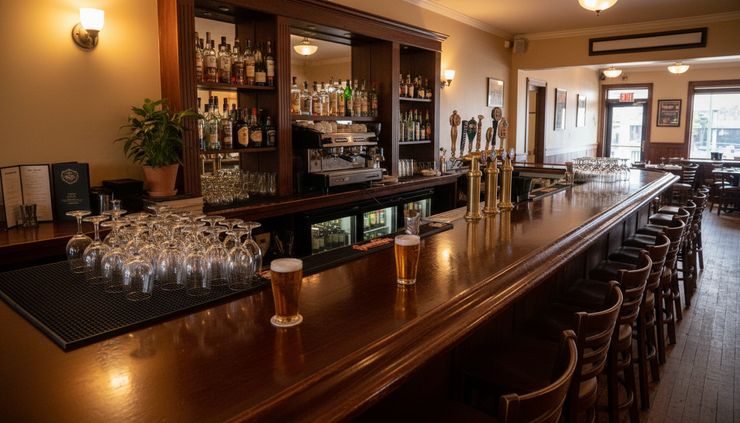
Bars face the most obvious exposure because alcohol service sits at the center of the customer experience. Crowds, late hours, loud environments, and repeat ordering can make it harder to monitor every guest.
Common risk scenarios include:
A visibly intoxicated guest gets served again and later causes a car accident
Two patrons fight after one claims staff failed to intervene
A customer falls on wet flooring after drinking several rounds
A minor uses a fake ID and gets served
A guest leaves with an open container and causes damage nearby
These cases can involve more than one legal issue. A claim may allege negligent service, poor staff training, lack of security, unsafe premises, or failure to follow state alcohol rules.
Good practices help. Staff training, ID checks, incident logs, and firm cutoff procedures all matter. Still, even well-run bars can face allegations. Insurance provides a financial backstop when prevention is not enough.

Why restaurants and events need protection too
Restaurants sometimes underestimate liquor exposure because food is the main draw. Yet alcohol service can still create serious claims. A server may miss signs of intoxication during a dinner rush. A guest may combine cocktails with medication. A large party may keep ordering bottles for the table, making it harder to track who drank what.
Events add another layer of risk. Weddings, holiday parties, festivals, and corporate receptions often involve guests who stay for hours, move between spaces, and rely on rides arranged at the last minute. Alcohol may be included in a package price, sold through drink tickets, or served by a third-party bartender.
A few examples show how claims can arise:
At a wedding reception, a guest is overserved, falls on a staircase, and sues the venue and caterer.
At a brewery tasting, a customer becomes intoxicated and damages a parked vehicle after leaving.
At a charity gala, a volunteer serves alcohol to someone under 21, leading to penalties and a claim.
At a restaurant, a server continues bringing drinks to a guest who later injures a pedestrian while driving.
Contracts can make these situations more complex. A venue, caterer, bartender, event planner, and host may all get named in the same claim. Each party may look to its insurance policy for defense.
How to reduce alcohol-related risk
Insurance works best with sound risk management. Carriers may also look more favorably on businesses that have clear safety practices.
Practical steps include:
Train staff to spot visible intoxication
Check IDs consistently and document questionable attempts
Set clear rules for cutting off service
Keep incident reports for fights, falls, refusals, and removals
Offer food, water, and nonalcoholic options
Use licensed bartenders for events
Confirm coverage before off-site service or special events
Review contracts for insurance and indemnity requirements
For events, written agreements matter. A business should know who provides the alcohol, who serves it, who holds the permit, and whose insurance responds if something goes wrong.

The main takeaway
Liquor liability insurance helps protect businesses when alcohol service leads to injury, damage, or legal claims. Bars need it because alcohol is central to their operations. Restaurants need it because even limited service can create exposure. Event venues, caterers, breweries, wineries, and fundraisers need it because temporary or occasional service can still carry serious risk.
The best approach is simple: understand how alcohol moves through the business, train staff to serve responsibly, read contracts carefully, and make sure the insurance matches the real exposure.
A single claim can threaten years of work. The right coverage helps keep one bad night from becoming a business-ending event.


Comments