
Protecting Jewelry Firearms and Collectibles with Smart Insurance Coverage
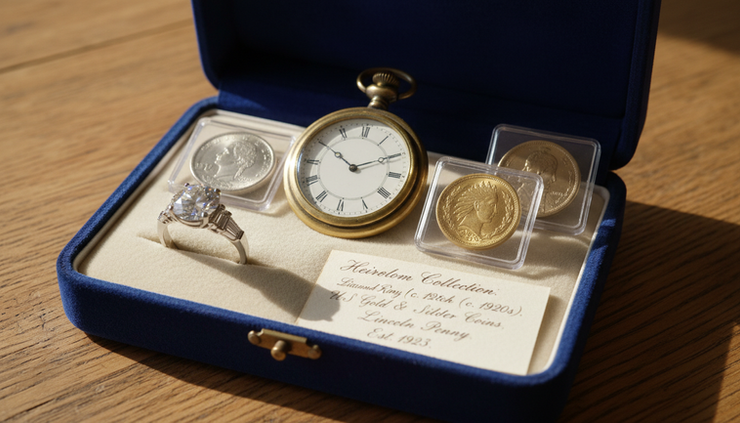
A diamond ring, a vintage rifle, a rare coin set, or a signed baseball card can carry more than a dollar value. These items often represent family history, personal milestones, hobbies, and years of careful collecting. That is why a standard insurance policy may not be enough.
High-value belongings can be lost, stolen, damaged in a fire, or misplaced during travel. Without the right coverage, reimbursement may fall far short of what it would take to repair or replace them. Smart coverage gives owners a better way to protect what matters, both financially and emotionally.
This article is for general informational purposes only. Insurance terms vary by policy, carrier, and state, so review your coverage with a licensed insurance professional.
Why valuable articles need special protection
Most homeowners and renters policies include personal property coverage. That coverage can help after common losses such as theft or fire. The challenge is that valuables often face special limits.
For example, a policy may limit how much it pays for stolen jewelry, firearms, silverware, coins, or collectibles. The limit may apply even if the item is worth much more. A $12,000 engagement ring or a carefully built firearm collection may not be fully covered under a basic policy.
Valuable articles also create claim questions that ordinary household items do not. Insurers may need proof of ownership, appraisals, photos, receipts, serial numbers, or records of authenticity. If those records are missing, the claim may take longer or pay less than expected.
Insurance helps in several ways:
It can provide funds to repair or replace covered items.
It can reduce the financial shock of theft, fire, water damage, or mysterious disappearance.
It can document the value of items before a loss occurs.
It can give collectors and families a clearer plan for protecting heirlooms.
The goal is not just to insure objects. The goal is to preserve the value tied to them.
Coverage options for jewelry, firearms, and collectibles
There is no single policy that fits every valuable item. The right choice depends on the type of property, its value, how it is stored, and how often it is used or transported.
Standard homeowners or renters coverage
This is the starting point. A homeowners or renters policy usually covers personal property against named risks or broader causes of loss, depending on the policy form. It may cover theft, fire, wind, or vandalism.
The drawback is the limit. Jewelry, firearms, fine art, coins, stamps, and other collectibles may have category caps. Deductibles also apply in many cases.
Scheduled personal property coverage
Scheduled coverage, sometimes called a personal articles floater, lists specific items on the policy. Each item has its own stated value, often supported by an appraisal or receipt.
This can be a strong fit for:
Engagement rings and wedding bands
Luxury watches
Fine jewelry
Rare firearms
High-value coins, stamps, or sports memorabilia
Musical instruments and fine art
Scheduled coverage may offer broader protection than a standard policy, including accidental loss in some cases. For jewelry, that can matter. A ring that slips off during travel may not be treated the same way as jewelry stolen from a home.
Blanket valuable items coverage
Blanket coverage protects a group of items up to a total limit, without listing every piece separately. It can work well for collections made up of many lower-value items, such as a rotating group of collectibles, smaller jewelry pieces, or hobby items.
This option is convenient, but it may still have per-item limits. Higher-value pieces may need to be scheduled separately.
Specialty collector policies
Some collections need special handling. Firearms, classic comic books, rare coins, wine, fine art, and sports cards can require coverage written for collectors.
Specialty policies may address concerns such as:
Breakage or accidental damage
Theft from a locked vehicle
Transit to shows or exhibitions
Newly acquired items
Market value changes
Restoration or conservation costs
For firearms, coverage for the physical item is separate from liability concerns. Firearm owners should ask direct questions about theft, storage requirements, accessories, and whether ammunition or optics are covered.

How to assess the value of jewelry and collectibles
Accurate values make coverage more useful. Guessing can lead to being underinsured, while outdated values can create problems after a loss.
For jewelry, start with a professional appraisal from a qualified jeweler or gemologist. The appraisal should describe the piece in detail, including metal type, gemstone quality, carat weight, cut, color, clarity, markings, and condition. Keep purchase receipts and certificates, such as diamond grading reports, with the appraisal.
For collectibles, value depends on condition, rarity, demand, and proof of authenticity. A signed jersey, vintage card, coin, comic book, or antique firearm may need more than a general estimate.
Helpful records include:
Clear photos from several angles
Receipts, invoices, or bills of sale
Serial numbers or identifying marks
Certificates of authenticity
Grading reports for coins, cards, or comics
Provenance or ownership history
Appraisals from specialists in that category
Values can change. Jewelry prices can shift with metal and gemstone markets. Collectibles can rise or fall based on demand, condition standards, and cultural interest. Review values every few years, or sooner after a major purchase or market change.
A simple home inventory also helps. Store copies in more than one place, such as a secure cloud account and a fire-resistant safe. After a loss, having photos and documents ready can make the claim process much easier.

What to do when filing a claim
A loss can feel stressful, especially when the item is sentimental. A clear process helps keep the claim moving.
Take these steps as soon as possible:
Protect the property from further damage
If safe to do so, move remaining valuables away from water, smoke, or weather.
Report theft or disappearance when required
For stolen jewelry, firearms, or collectibles, file a police report. Firearm theft may require additional reporting under state or local rules.
Contact the insurance company promptly
Ask what documents are needed and whether any deadlines apply.
Gather proof of ownership and value
Provide receipts, appraisals, photos, serial numbers, grading records, and prior inventory lists.
Do not discard damaged items too soon
The insurer may need to inspect them before authorizing repair or replacement.
Keep notes and receipts
Track claim numbers, adjuster names, repair estimates, and related expenses.
Clear documentation can reduce delays. It also helps the insurer understand exactly what was lost or damaged.

Real-life examples show why coverage matters
Consider a homeowner whose engagement ring disappeared during a vacation. Because the ring had been scheduled with a recent appraisal, the claim did not rely on a low jewelry sublimit under the homeowners policy. The owner could replace the ring with one of similar quality, rather than absorb most of the cost.
Another common example involves a collector whose rare coins were stolen during a break-in. The collector had photos, grading certificates, and a detailed inventory stored digitally. That documentation allowed the insurer to verify the collection and settle the claim more smoothly.
Firearm owners also benefit from planning. If a locked safe is damaged in a house fire, a standard policy may not fully address the value of custom firearms, optics, or accessories. Scheduled or specialty coverage can help account for those details before a loss happens.
In each case, the difference was preparation. The owners did not wait until after the loss to prove value, find receipts, or ask how their policy worked.
A practical way to protect what cannot easily be replaced
Valuable articles deserve more than a line item on a household policy. Jewelry, firearms, and collectibles each carry unique risks, values, and documentation needs.
Start with a simple review. List the items that would be expensive, difficult, or emotionally painful to replace. Gather photos and records. Check policy limits. Then ask whether scheduled coverage, blanket coverage, or a specialty policy fits better.
The best time to make those decisions is before anything goes missing. With the right coverage and good records, recovery becomes less uncertain, and the things that matter most have a stronger layer of protection.
Comments